Social stories

Hearing “no”: a social story for kids

Asking for a snack before dinner, one more show, another turn on the swing, and hearing “no”, can end in tears or a shout. It usually isn’t stubbornness. Disappointment is a big feeling, and the skills for handling it take years to grow. A social story gives a child a plan for the moment right after “no”. It is a short, calm story, told in their own voice, about taking a breath, saying “okay” and choosing something else.

Below is a complete sample to read or print, followed by what makes a good one and how to use it at home.
Free sample story

When My Mom Says No

StorySafari wrote and illustrated this story from an earlier wording of the idea the button below fills in, with a made-up boy named Ben.

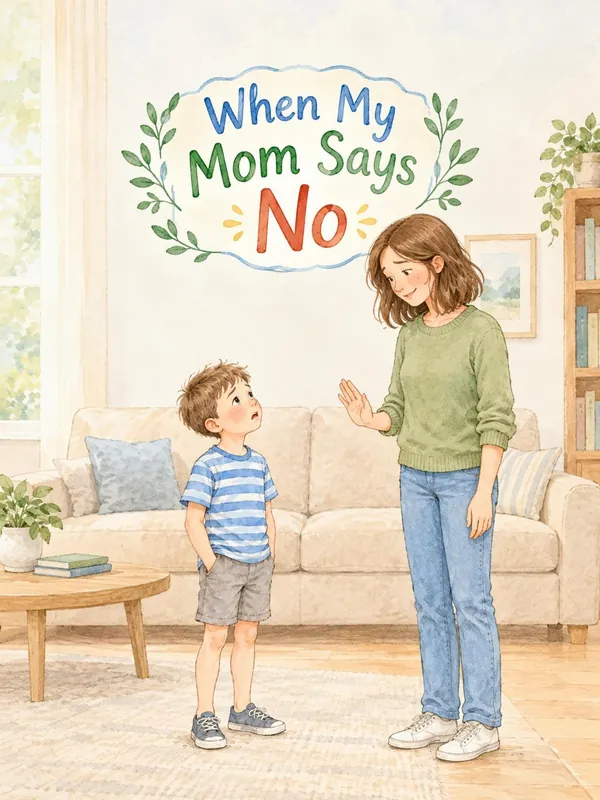
  1. Book cover: When My Mom Says No. A boy looks up at his mom, who holds up a gentle hand in the living room.
    Cover
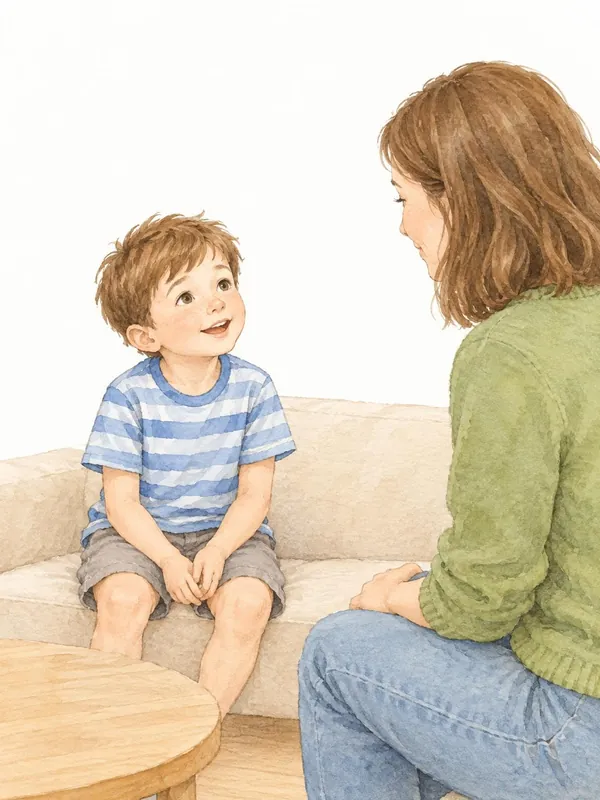
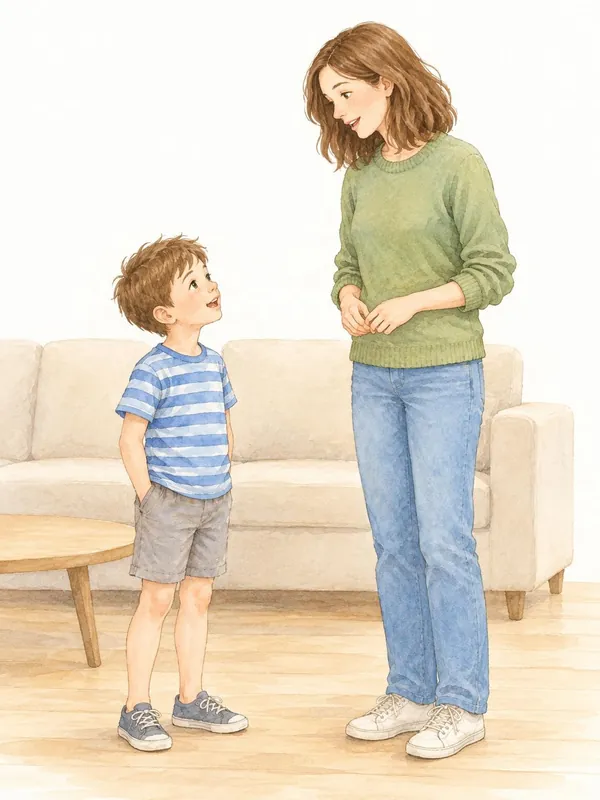
  2. Ben looks up at his mom in the living room.
    Page 1

    “Can we go to the park now?” I ask my mom. She says, “No, lunch is almost ready.” I wanted to go now. I feel sad.

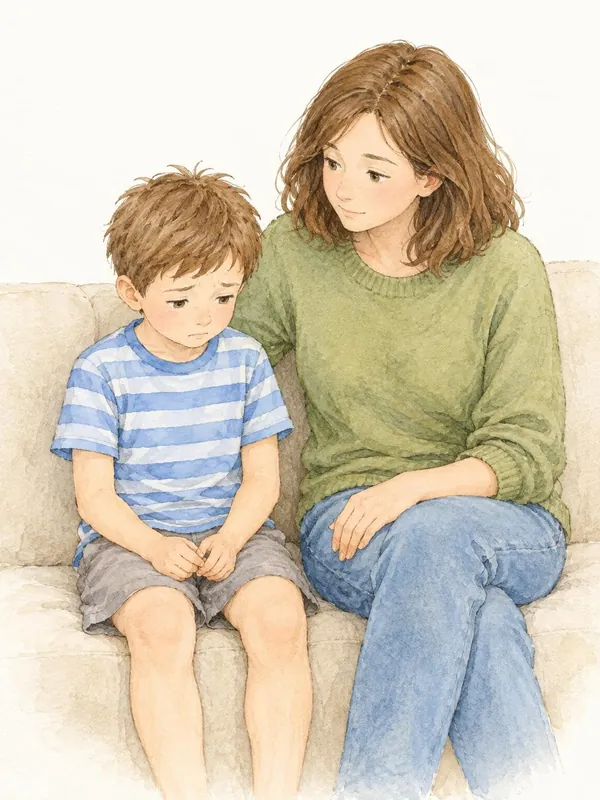
  3. Ben sits sadly on the sofa while his mom sits close beside him.
    Page 2

    I sit on the sofa. My mom sits close beside me. I still feel sad. She stays with me while I feel that way.

  4. Ben's mom puts her arm around him and talks to him kindly.
    Page 3

    “It’s okay to feel sad,” my mom says. “You wanted to go now.” I look at her. She understands why I feel sad.

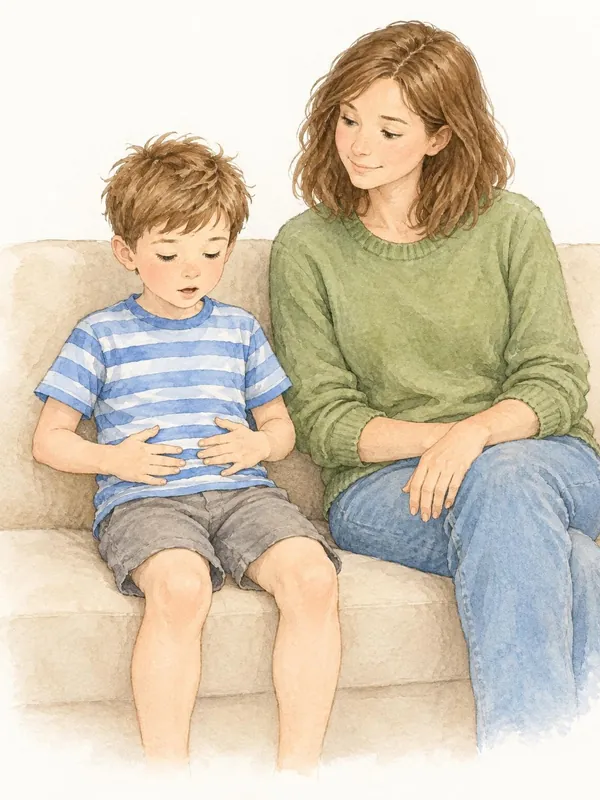
  5. Ben puts his hands on his belly and breathes while his mom waits.
    Page 4

    I put my hands on my belly. I breathe in slowly, then breathe out. My mom waits beside me. I feel ready to answer her.

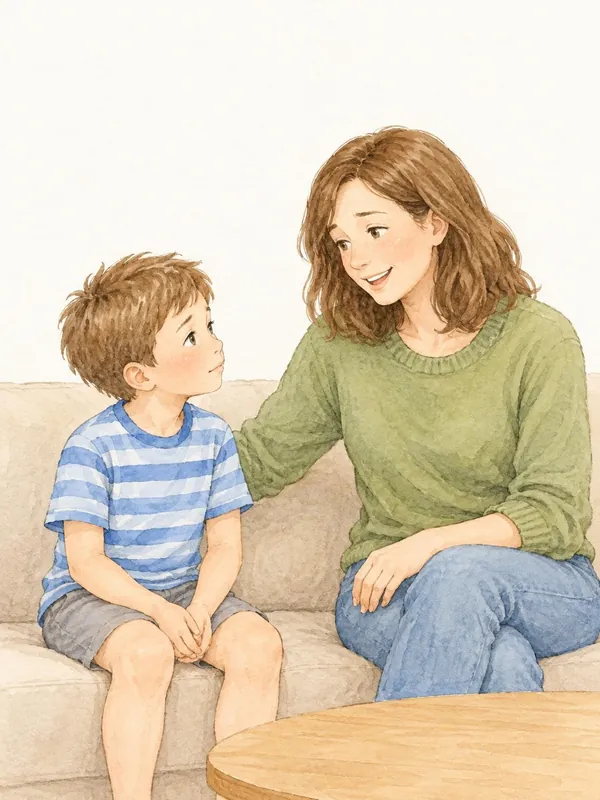
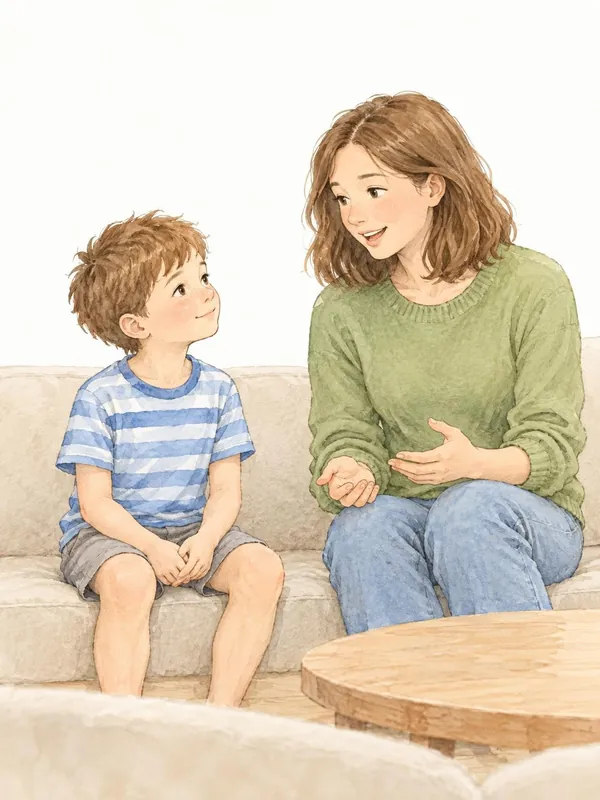
  6. Ben looks up at his mom on the sofa.
    Page 5

    “Okay,” I say. I still feel a little sad. My mom gives me a small smile and stays close.

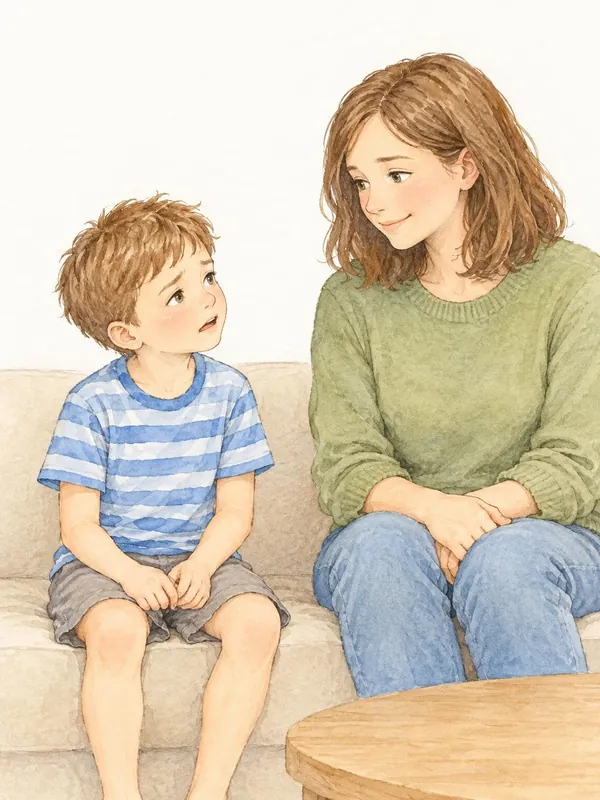
  7. Ben asks his mom a question.
    Page 6

    “When can we go to the park?” I ask my mom.

  8. Ben's mom answers him with a kind smile.
    Page 7

    “We can go after lunch,” my mom says. I know the park is not now. We can go later.

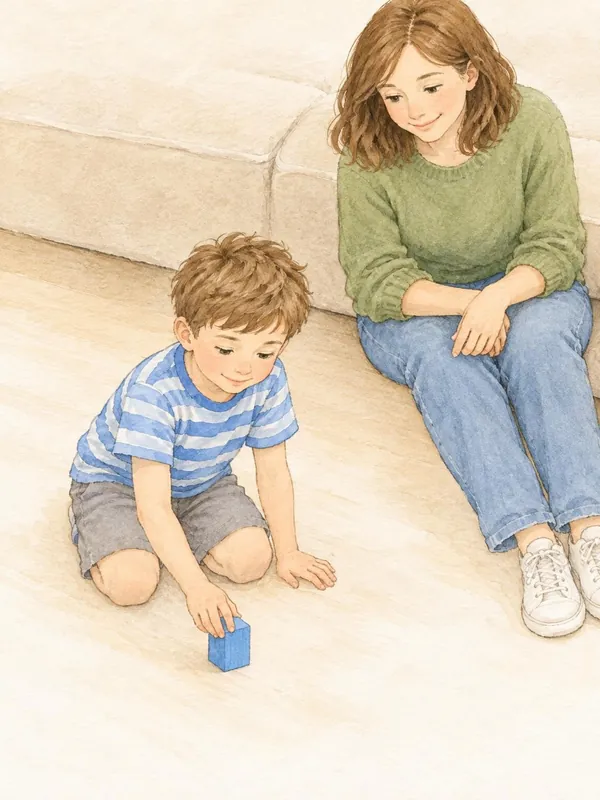
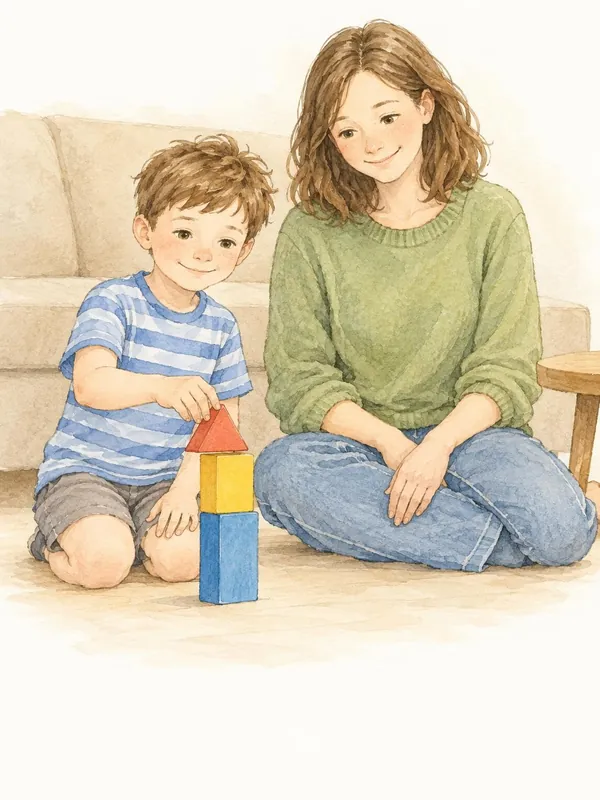
  9. Ben kneels and sets a block on the floor while his mom watches.
    Page 8

    I choose my blocks while I wait. I kneel and set one block on the floor. My mom smiles beside me.

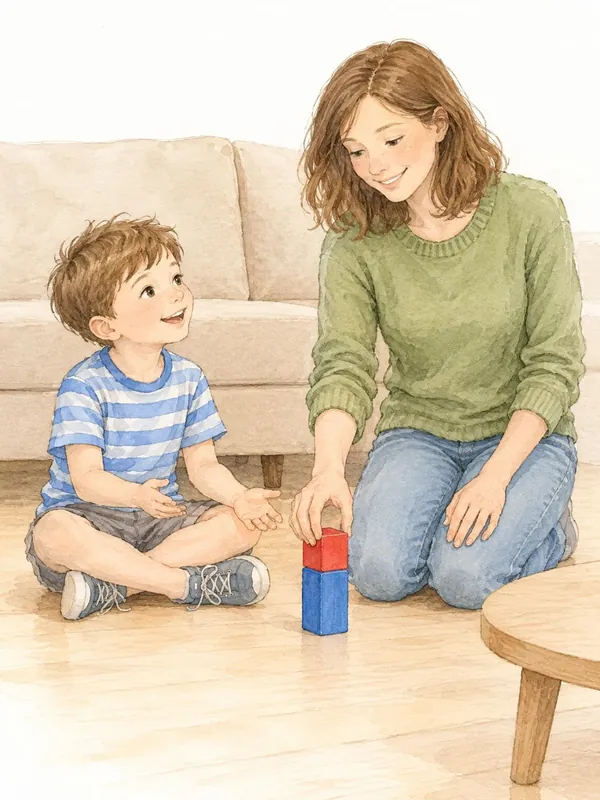
  10. Ben's mom kneels beside him and adds a block to his tower.
    Page 9

    “Will you build with me, Mom?” I ask. My mom kneels beside me and adds a block on top of mine. We start our tower together.

  11. Ben and his mom smile at the tall block tower.
    Page 10

    I add the tallest block to our tower. It stays up! My mom and I smile. Building together is fun while we wait for lunch.

Make my child’s story

Make this story starring your child. The idea is filled in for you.

What a good “accepting no” story includes

  1. An everyday no. A snack before dinner, one more show, a toy at the store. Use a real moment your child knows.
  2. The feeling, named. “I feel sad.” “I feel mad.” A no is allowed to hurt.
  3. A first step for the body. A slow breath, hands squeezed, a step back.
  4. Words to say. “Okay.” “When can I?” “I’m mad that I can’t.” Short and sayable.
  5. What happens next. Choosing something else, or asking when. A “not now” shows that a no isn’t always forever.
  6. What the child can do. “I can still feel sad and choose something else to do.” It gives them a next step without making them responsible for how others feel.

Practicing at home

  • Keep the no short and the voice even. “Not now. After dinner.” Long explanations invite arguing.
  • Offer a choice next. “No more show. A puzzle or blocks?”
  • Say yes where you can. When most answers are no, saving it for what matters helps it land.
  • Practice while calm. Pretend with a toy: you say “No, not today,” they say “Okay” and pick something else.
  • Notice it. “You heard no and said okay. That was hard, and you did it.”

If a no always leads to a meltdown, talk with your child’s teacher or pediatrician. The story helps with the everyday no; it isn’t meant to carry a bigger struggle.

Common questions

Why is “no” so hard for young children?

A no can feel like the end of something they wanted very much. Waiting, and putting feelings into words, are skills that grow slowly, so the moment right after “no” is when a plan helps most.

Should I explain every no?

A short reason helps, like “Not before dinner; we’re eating soon.” Then keep it short. Long debates teach children that a no is an invitation to argue.

What if my child has a meltdown when I say no?

Stay calm and keep everyone safe. Wait until the storm has passed before talking or reading the story; a child mid-meltdown can’t take it in. If meltdowns are frequent or intense, talk with your pediatrician.

Is it okay for my child to feel sad about a no?

Yes, and the story says so. Feelings are fine. The plan is for what happens next: breathe, say okay, and choose something else.

Can I print this story?

Yes. Use the Print this story button above the sample. It prints the cover and each page with its picture, one page per sheet.

Make this story starring your child

Add your child’s photo or describe them, and StorySafari writes this social story with them as the one who hears no, takes a breath and chooses something else. The idea is filled in for you; change any detail to match your day. Preview the story and cover free.

Make my child’s story