Social stories

Big feelings: a social story about calming down

Big feelings arrive fast in small bodies. A child can go from building a tower to throwing a block in seconds, because feeling mad and knowing what to do about it are two different skills. A social story about big feelings doesn’t tell a child to stop feeling. It names the feeling, says it’s okay, and shows a plan a body can follow: breathe slowly, hug something soft, draw, or tell a grown-up.

Below is a complete sample to read or print, then how to practice the tools at home.
Free sample story

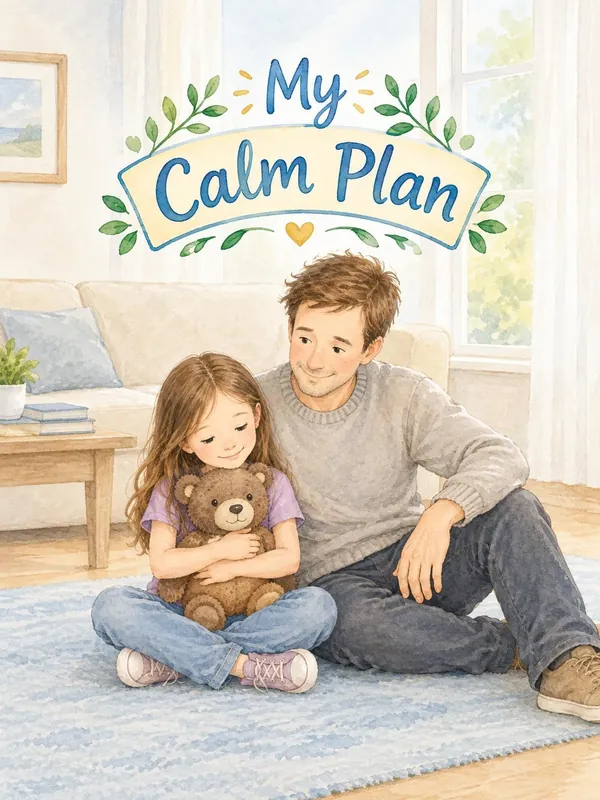
My Calm Plan

StorySafari wrote and illustrated this story from the same idea the button below fills in, with a made-up girl named Emma.

  1. Book cover: My Calm Plan. A girl hugs a stuffed bear while her dad sits beside her on the rug.
    Cover
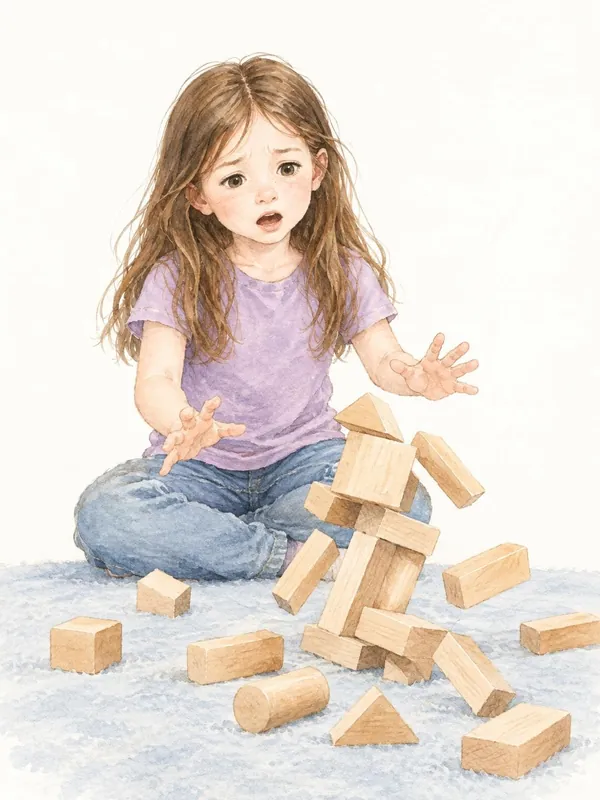
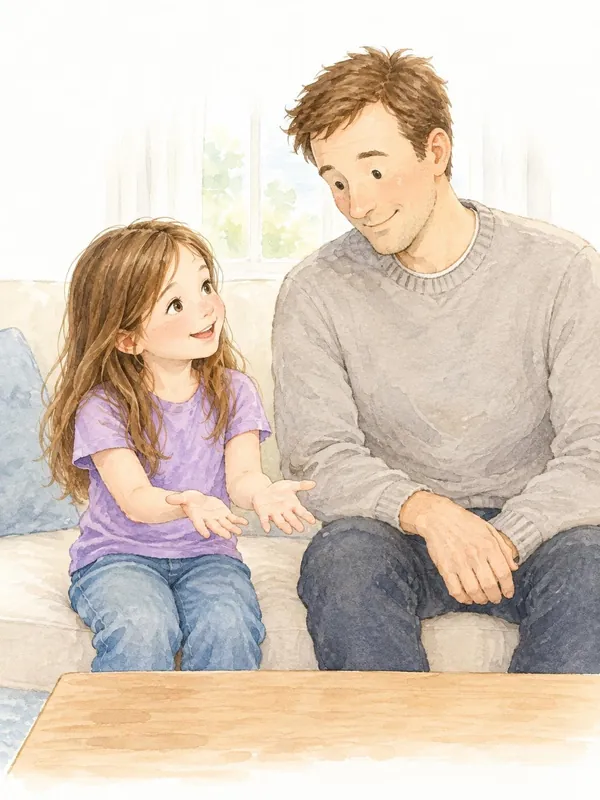
  2. Emma sits beside a fallen block tower with her hands spread wide.
    Page 1

    I build a tower with my wooden blocks. Then it falls onto the rug. I feel very mad. I wanted my tower to stay up.

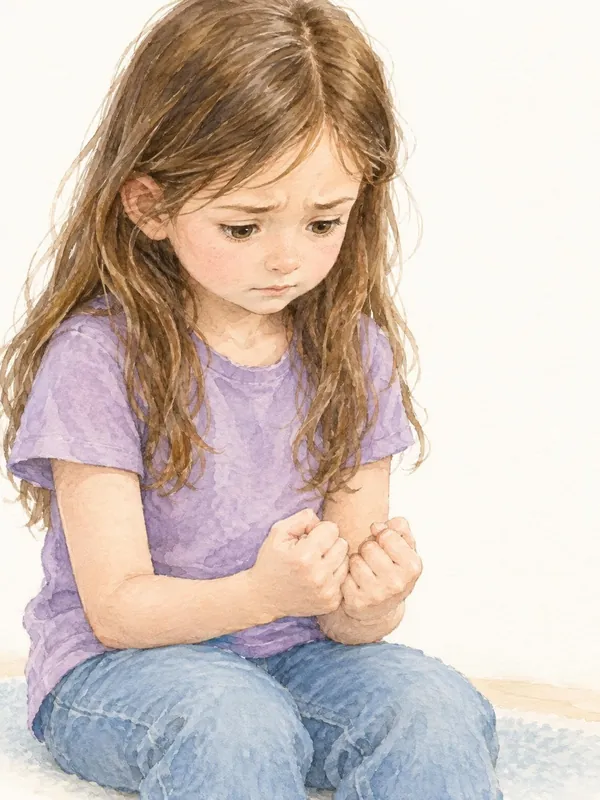
  3. Emma squeezes her hands into tight fists and looks down.
    Page 2

    My hands feel tight. I stop building. My hands are telling me I have a big feeling.

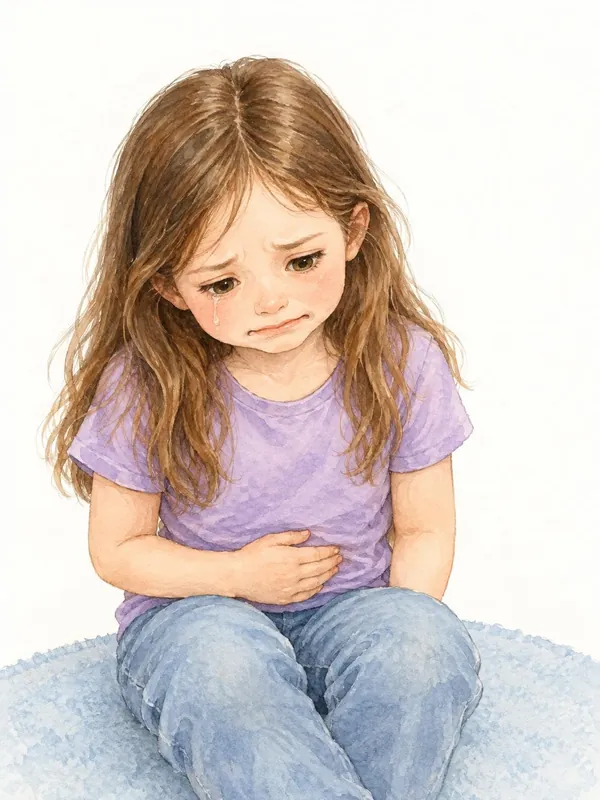
  4. Emma sits with a hand on her tummy and a sad face.
    Page 3

    Sometimes I feel sad, too. I might want to cry. Sometimes I feel worried, and my tummy feels wiggly.

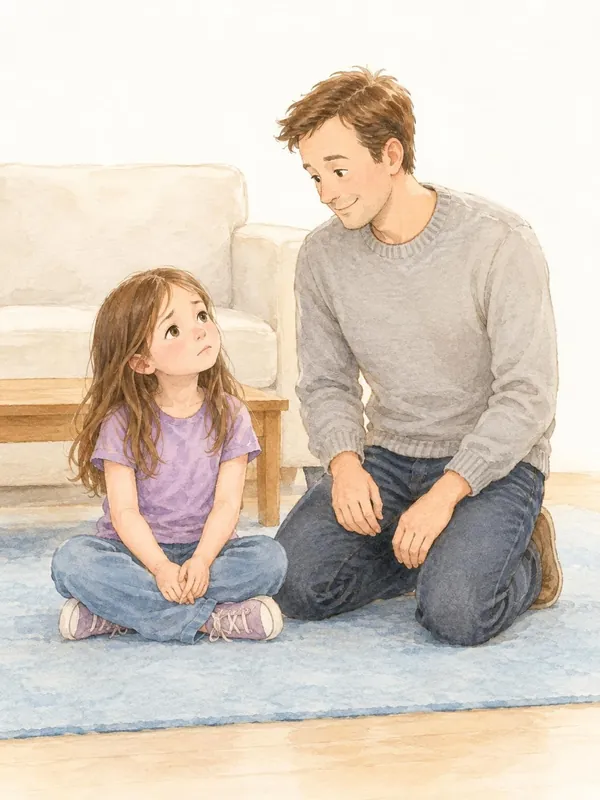
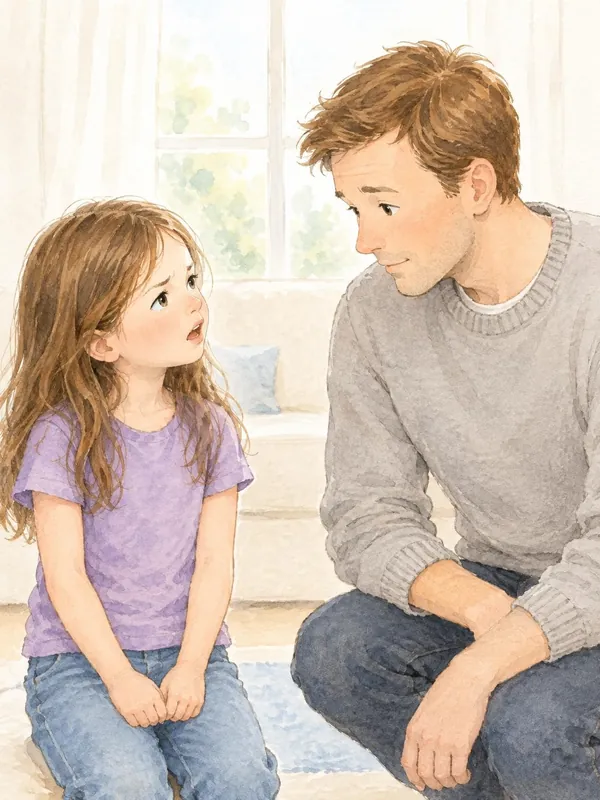
  5. Emma's dad kneels beside her, and she looks up at him.
    Page 4

    My dad comes beside me. “All feelings are okay,” he says. “You can feel mad, sad, or worried.” I look up at him.

  6. Emma tells her dad how she feels while he listens close beside her.
    Page 5

    “I feel mad,” I tell my dad. He listens and stays close beside me. I do not have to hide my feeling.

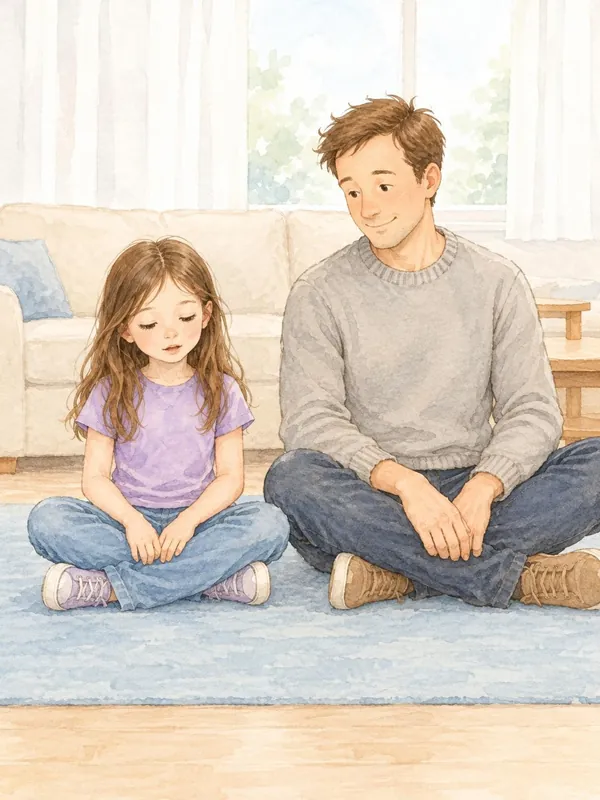
  7. Emma and her dad sit cross-legged and breathe slowly together.
    Page 6

    I take a slow breath in. Then I breathe out. My dad breathes slowly beside me. I take another slow breath. I am using my calm plan.

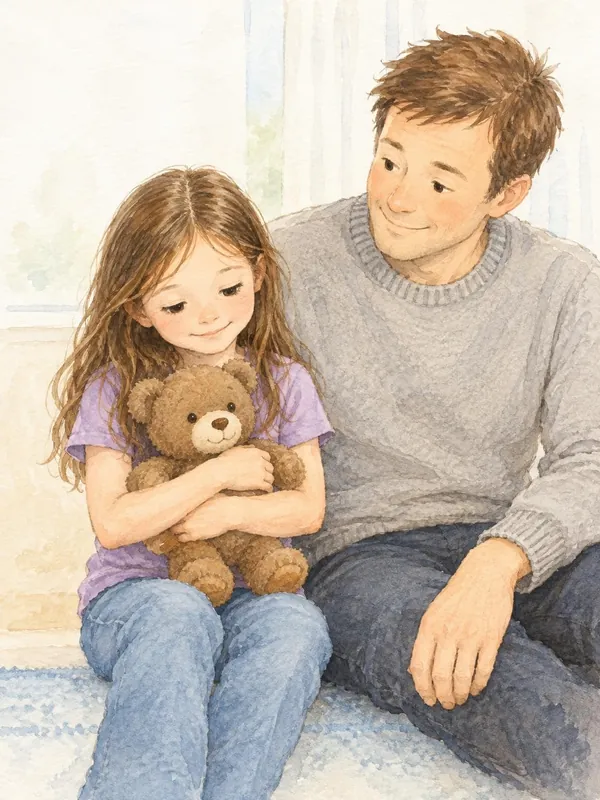
  8. Emma hugs a stuffed bear while her dad sits beside her.
    Page 7

    I pick up my stuffed bear and hug it against my chest. My dad stays close beside me. I hold my bear while I breathe.

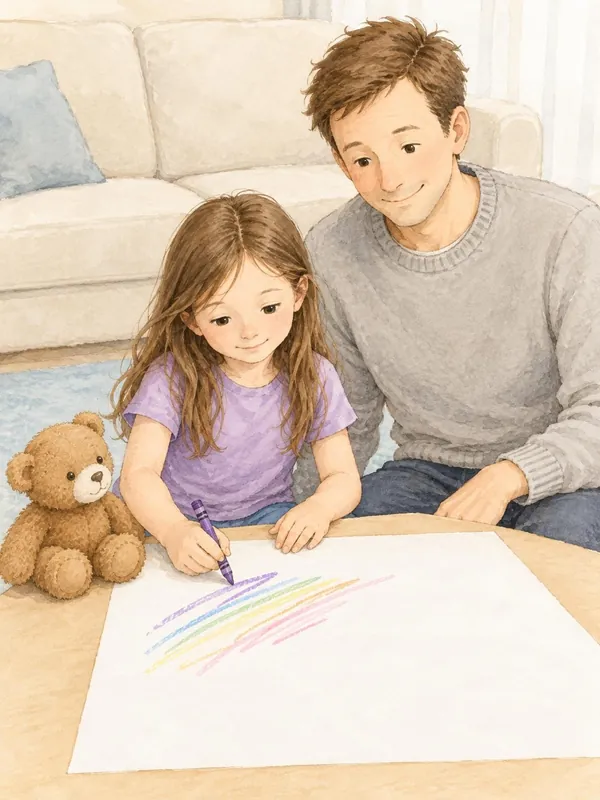
  9. Emma draws colorful lines while her dad watches, with her bear beside her.
    Page 8

    I set my stuffed bear beside me. I draw colorful lines on a picture to show my big feeling. My dad sits beside me and looks at my drawing.

  10. Emma opens her hands and tells her dad she feels better.
    Page 9

    I open my hands. They do not feel tight now. “My mad feeling is smaller,” I tell my dad. He listens and smiles.

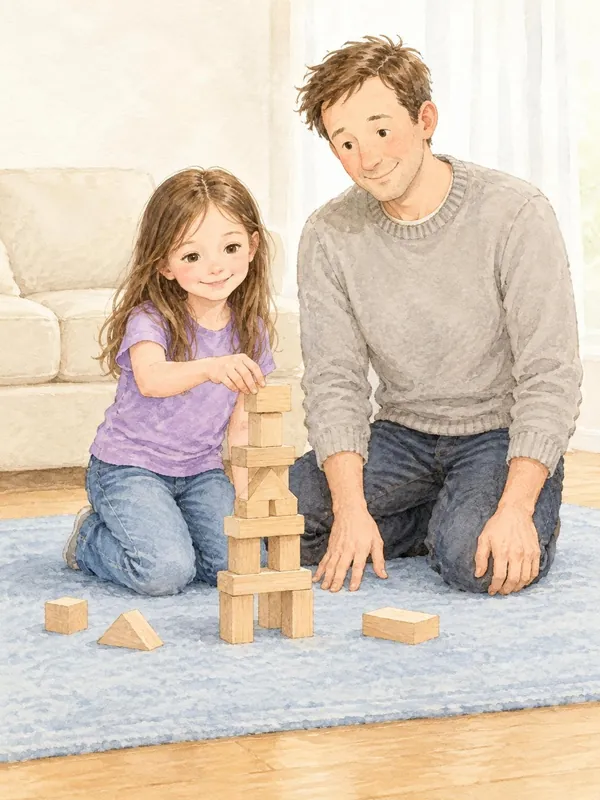
  11. Emma builds a new block tower with her dad.
    Page 10

    I smile at my dad. We build a new tower together. I set a block on top. My dad stays beside me, and we keep playing.

Make my child’s story

Make this story starring your child. The idea is filled in for you.

What a good big feelings story includes

  1. All feelings are okay, said plainly, before any plan.
  2. What the body feels. Tight hands, a wiggly tummy, wanting to cry. Children often notice the body before they have the word.
  3. The words. “I feel mad.” “I feel worried.”
  4. Two or three tools, like slow breaths, a hug, drawing or telling a grown-up. Few enough to remember.
  5. A hopeful ending. “My feeling gets smaller.” Feelings pass.

Practicing calm-down tools

  • Practice when calm. Blow out pretend candles, trace fingers, or squeeze a pillow and let go.
  • Make a calm spot. A corner with a pillow, a book and a stuffed animal. It’s a place to visit, not a punishment.
  • Name feelings out loud, yours too. “I feel frustrated that the milk spilled. I’m taking a slow breath.”
  • Do it together first. Children borrow your calm before they find their own.
  • Notice it. “You hugged your bunny when you felt mad.”

If big feelings happen most days, last a long time or involve hurting themselves or someone else, talk with your pediatrician. A social story is one tool, not the whole plan.

Common questions

What are calm-down tools for kids?

Simple things a child can do to settle their body: slow breaths, squeezing hands, hugging a stuffed animal, drawing, a quiet spot or asking for a hug. Practice one while your child is calm so it’s easy to reach for later.

Should I stop my child from getting mad?

No. Feelings are okay; what matters is what the body does next. Naming it helps: “You look mad that the tower fell.”

What age is a big feelings story for?

Usually ages 3 to 7. Younger children need a grown-up to do the tool with them; older children can start using one on their own.

What if calm-down tools don’t work in the moment?

Try again another time. The tools are for practice, not for stopping a storm that has already started. Keep your child safe, stay close, and read the story later when everyone is calm.

Can I print this story?

Yes. Use the Print this story button above the sample. It prints the cover and each page with its picture, one page per sheet.

Make this story starring your child

Add your child’s photo or describe them, and StorySafari writes this social story with them as the one who notices a big feeling, breathes slowly and says how they feel. The idea is filled in for you; change any detail to match your family. Preview the story and cover free.

Make my child’s story