Social stories

Biting: a social story for toddlers and preschoolers

Biting is alarming to grown-ups and common in young children. Most toddlers who bite aren’t being mean. They’re frustrated, excited or too close to someone, and their mouth gets there before their words do. Shaming a child for biting rarely helps; giving them a plan does. A social story about biting says what teeth are for, what the feeling is and what to do instead, in words a small child can picture.

Below is a complete sample to read or print, then what to do when biting happens.
Free sample story

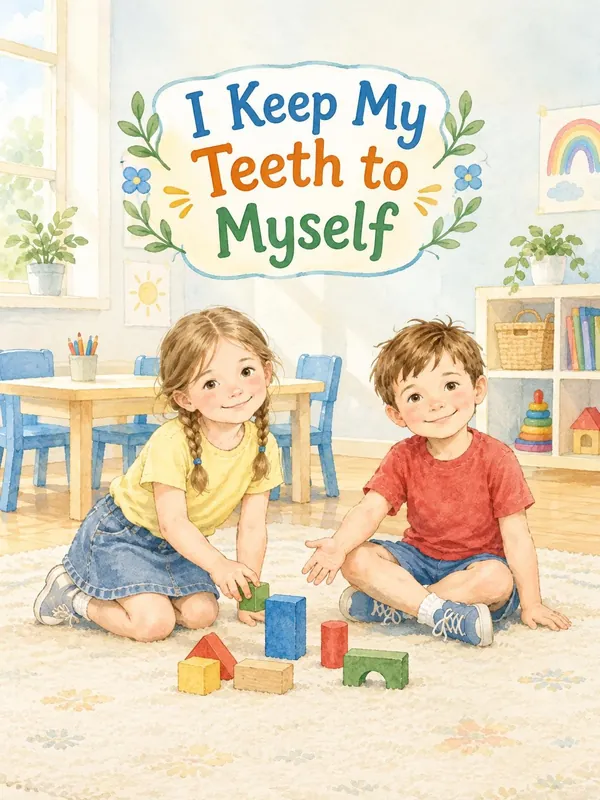
I Keep My Teeth to Myself

StorySafari wrote and illustrated this story from the same idea the button below fills in, with a made-up girl named Nora.

  1. Book cover: I Keep My Teeth to Myself. Two children smile and build with blocks on a classroom rug.
    Cover
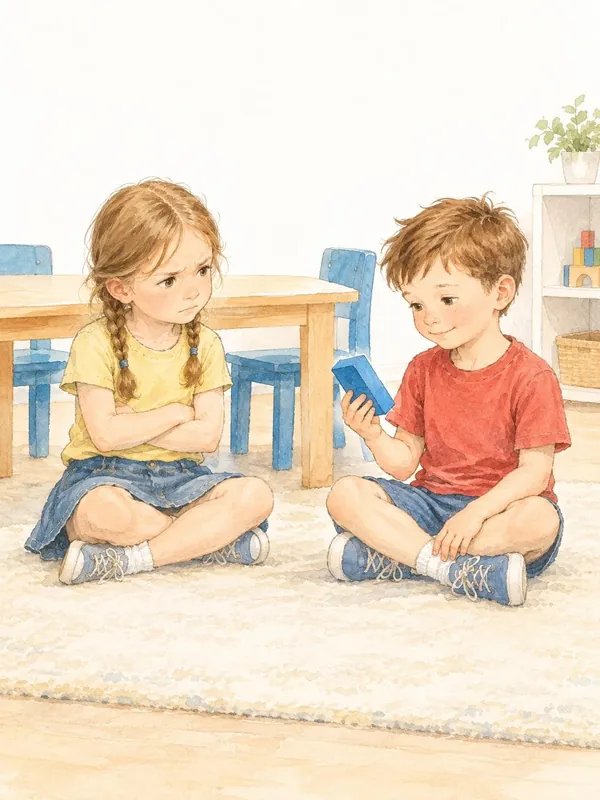
  2. Nora sits with her arms crossed while Tom holds the blue block.
    Page 1

    Tom is holding the blue block. I want to use it, too. I feel frustrated. I keep looking at the block in Tom’s hand.

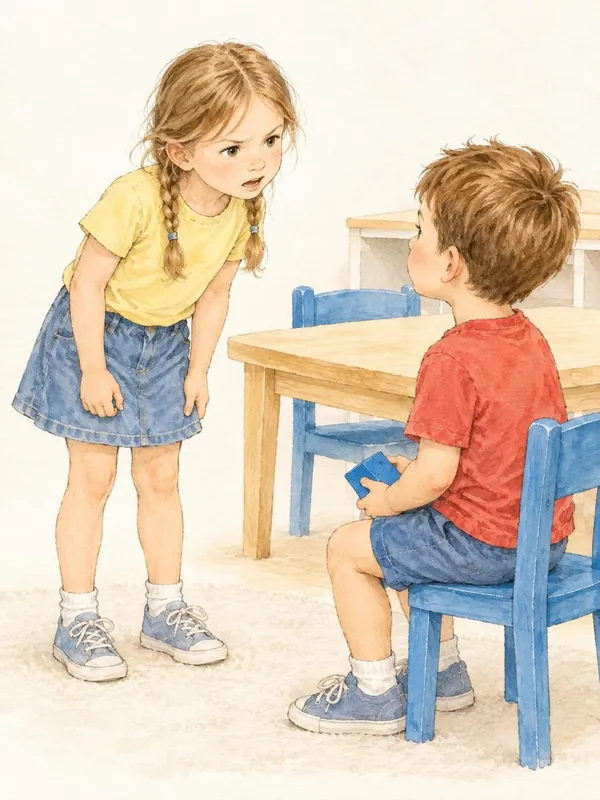
  3. Nora leans toward Tom with a frown while he holds the blue block.
    Page 2

    Sometimes I feel very frustrated or excited. My mouth wants to bite. Tom is holding the blue block, and I want it so much.

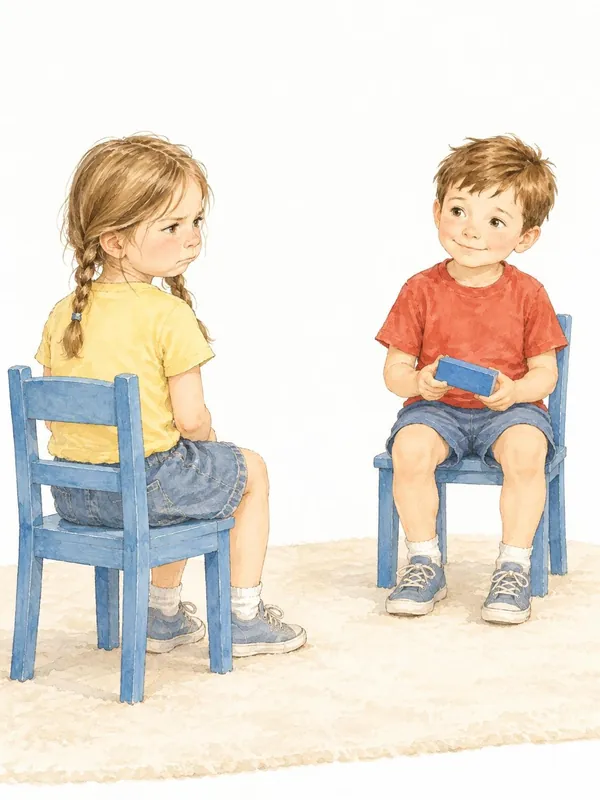
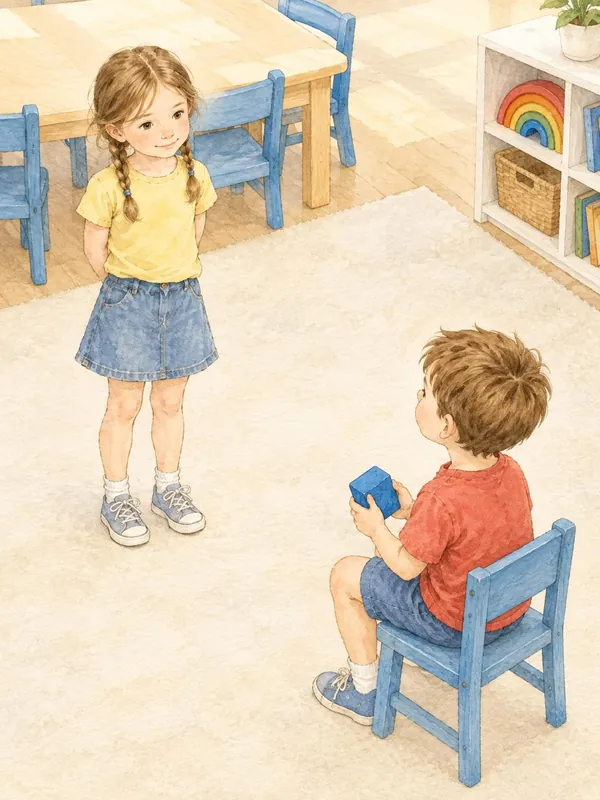
  4. Nora sits back from Tom on her chair while he keeps the blue block.
    Page 3

    I stop. I keep my teeth in my own mouth. I sit back, with space between Tom and me. He still has the blue block.

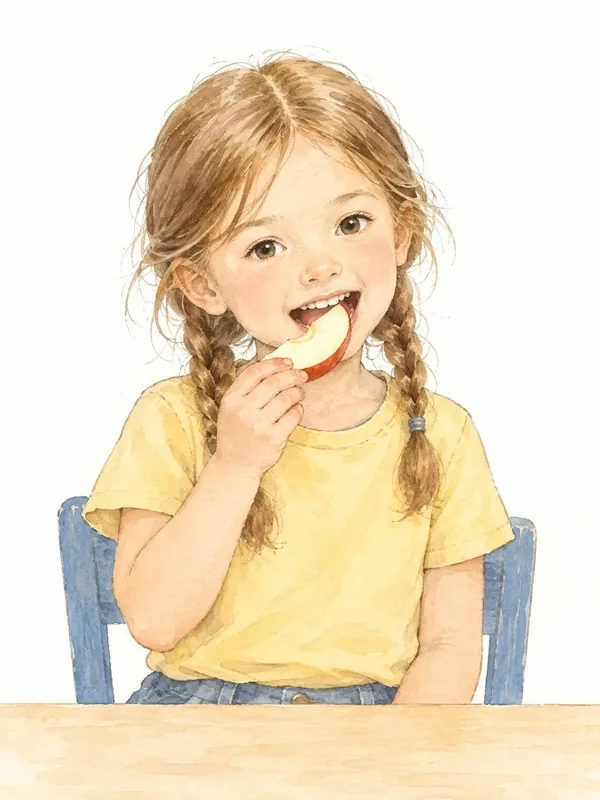
  5. Nora eats an apple slice at the table.
    Page 4

    My teeth are for eating food, not for biting people. I eat a slice of apple. I can keep my teeth safe in my mouth.

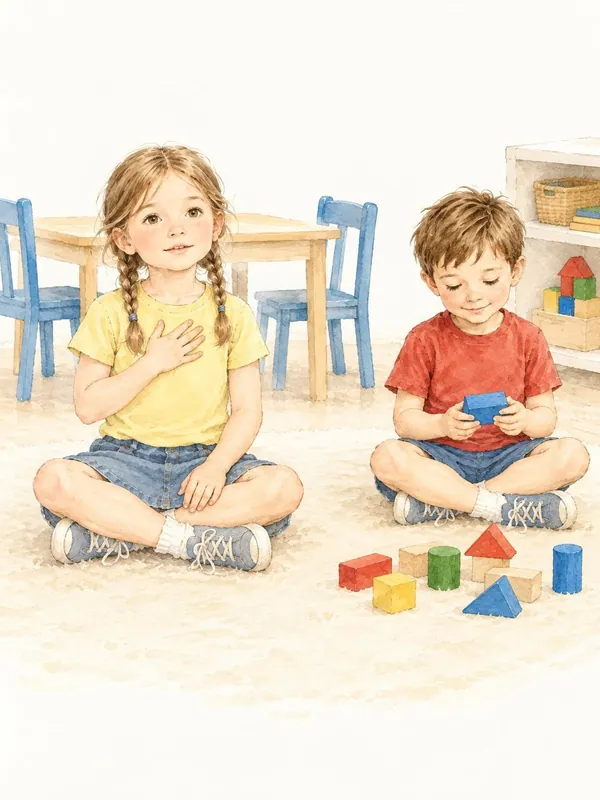
  6. Nora sits with her hand on her chest and breathes while Tom sits with the blocks.
    Page 5

    I sit up and put one hand on my chest. I take a deep breath. Tom stays beside the blocks, holding the blue block. We have space while I calm down.

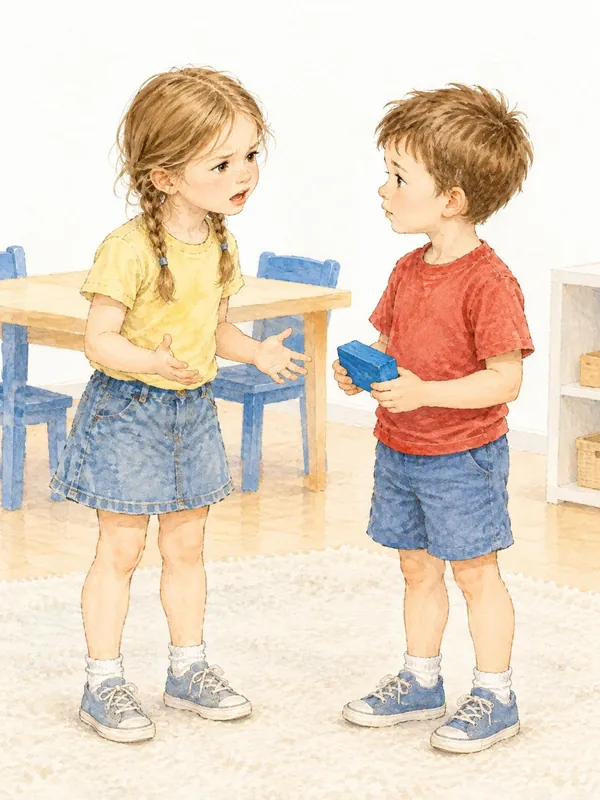
  7. Nora looks at Tom and tells him how she feels while he holds the blue block.
    Page 6

    I look at Tom and say, “I’m mad. I want the blue block.” Tom listens and keeps holding it.

  8. Nora takes a step back while Tom sits with the blue block.
    Page 7

    I step back. Now there is space between Tom and me. I keep my teeth in my own mouth.

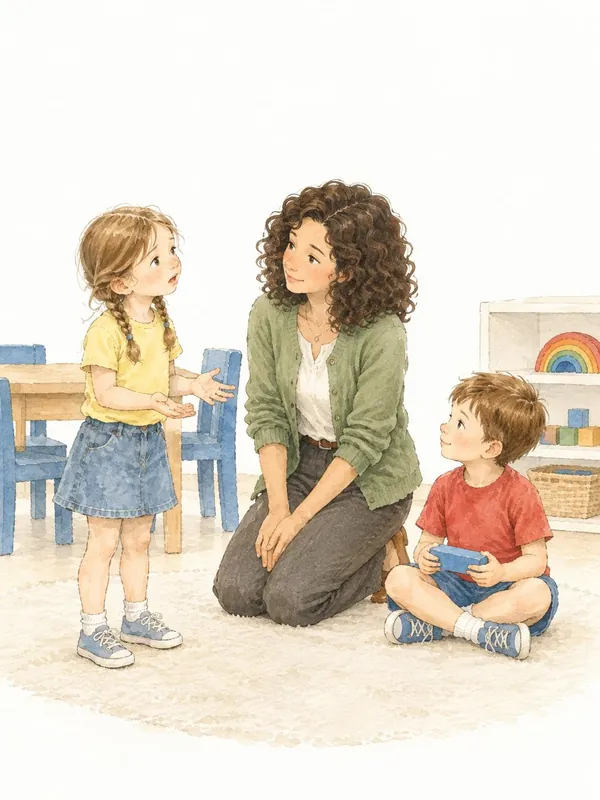
  9. Nora asks her teacher for help while Tom sits nearby with the blue block.
    Page 8

    I turn to my teacher. “Can you help me with the block?” I ask. Tom sits nearby, still holding the blue block.

  10. Nora's teacher shows her other blocks while Tom keeps playing.
    Page 9

    My teacher shows me other blocks to choose from. Tom keeps holding the blue block while he finishes with it. I can choose something else.

  11. Nora and Tom build together on the rug.
    Page 10

    Tom makes room beside him. “You can build here,” he says. I kneel in the open space and place another block beside the blue block. Tom smiles. We build together, with my teeth safely in my own mouth.

Make my child’s story

Make this story starring your child. The idea is filled in for you.

What a good biting story includes

  1. What teeth are for. Eating food. It’s kinder than “don’t bite”.
  2. The moment before the bite. Naming the feeling that comes first: mad, excited, crowded.
  3. Two or three things to do instead. A deep breath, “I’m mad”, a step back, asking a grown-up for help.
  4. A calm, safe ending. Everyone okay, playing together again. Keep the bite itself off the page, so the story shows the plan, not the problem.
  5. Why it matters. “My friends feel safe and we can play together again.”

What to do when biting happens

  • Stay calm and close. A big reaction can make biting more interesting.
  • Care for the child who was bitten first, then keep your child near you.
  • Say one short sentence. “Biting hurts. I won’t let you bite.”
  • Help with repair once everyone is calm. “Let’s see if they’re okay.” It’s about making things right, not shame.
  • Look for the pattern. Before lunch? In a crowd? When a toy is taken? Change what you can: more space, a snack, a second toy.
  • Offer something safe to chew if your child seems to need it, like a snack that’s right for their age.
  • Practice the words when calm. “I’m mad.” “Too close.” “Help.”
  • Notice the in-between. “You felt mad and stepped back. That was a safe choice.”

If biting is frequent, hurts someone or continues past preschool, talk with your pediatrician.

Common questions

Why do toddlers bite?

Biting is common in young children. Many are frustrated, excited or crowded, and their mouth gets there before their words do. It usually fades as words grow. If it is frequent or forceful, talk with your pediatrician.

What should I do right after a bite?

Stay calm, check on the child who was bitten first, and keep the two apart. Say plainly, “Biting hurts. I won’t let you bite.” Read the story later, when everyone is calm.

Isn’t “no biting” enough?

It’s a start, but a child also needs something to do instead: breathe, say “I’m mad”, step back or ask a grown-up for help.

What age is a biting social story for?

Mostly ages 2 to 5, when biting is most common and words are still growing.

Can I print this story?

Yes. Use the Print this story button above the sample. It prints the cover and each page with its picture, one page per sheet.

Make this story starring your child

Add your child’s photo or describe them, and StorySafari writes this social story with them as the one who feels like biting and breathes, speaks up or asks for help instead. The idea is filled in for you; change any detail to match their day. Preview the story and cover free.

Make my child’s story