Social stories

Potty training: a social story for toddlers

Potty training asks a toddler to notice a feeling in their body, stop what they’re doing, walk somewhere and do several steps in order, all while learning that a new thing can feel good. That is a lot. A social story turns the routine into something a child can picture. It is a short, calm story in their own voice about telling a grown-up, sitting on the potty, washing their hands and trying again after an accident.

Below is a complete sample to read or print, then how to make the routine easier at home.
Free sample story

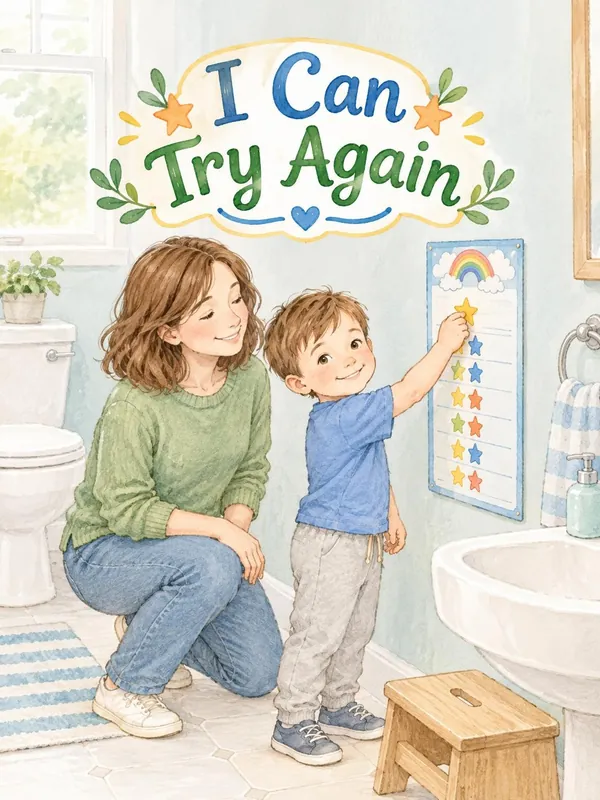
I Can Try Again

StorySafari wrote and illustrated this story from the same idea the button below fills in, with a made-up boy named Eli.

  1. Book cover: I Can Try Again. A boy adds a star to his sticker chart while his mom sits beside him on the bathroom floor.
    Cover
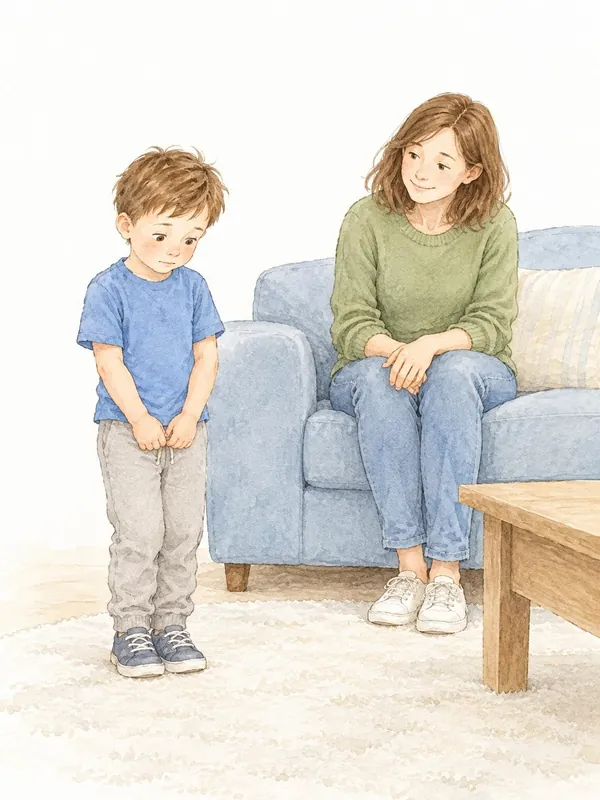
  2. Eli stands with his knees together while his mom sits nearby on the sofa.
    Page 1

    My body tells me I need to go. I bring my knees close together and look down. Mom is nearby.

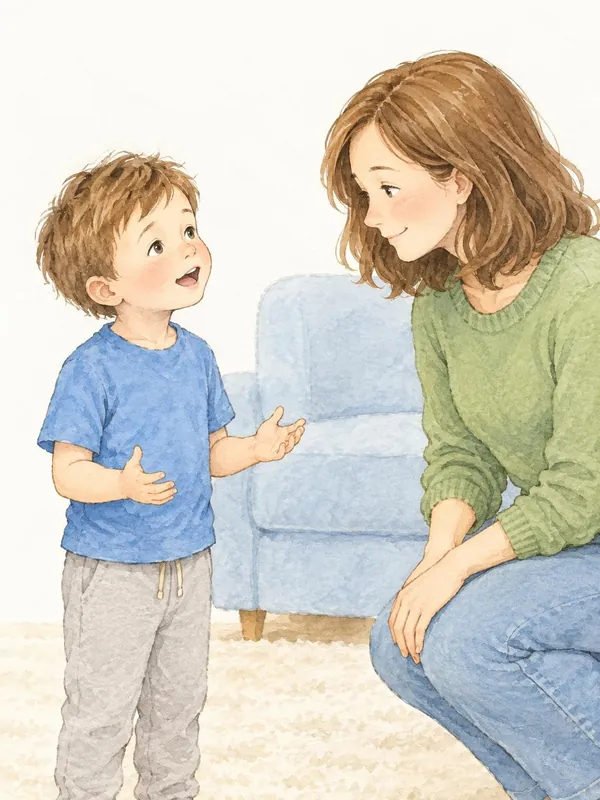
  3. Eli talks to his mom in the living room.
    Page 2

    “Mom, I need to use the potty,” I say. Mom listens and smiles. I am glad I tell her.

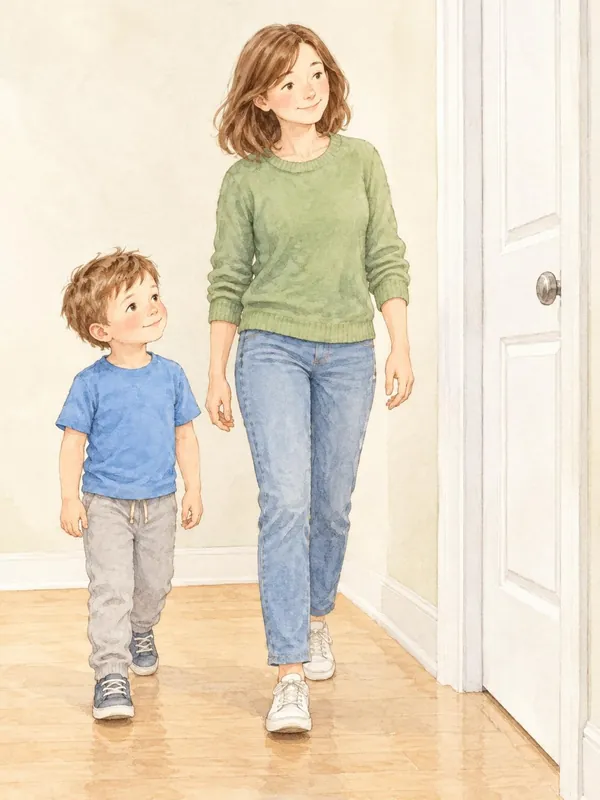
  4. Eli and his mom walk down the hallway to the bathroom.
    Page 3

    Mom and I walk together to the bathroom. She stays beside me all the way. I am ready to try.

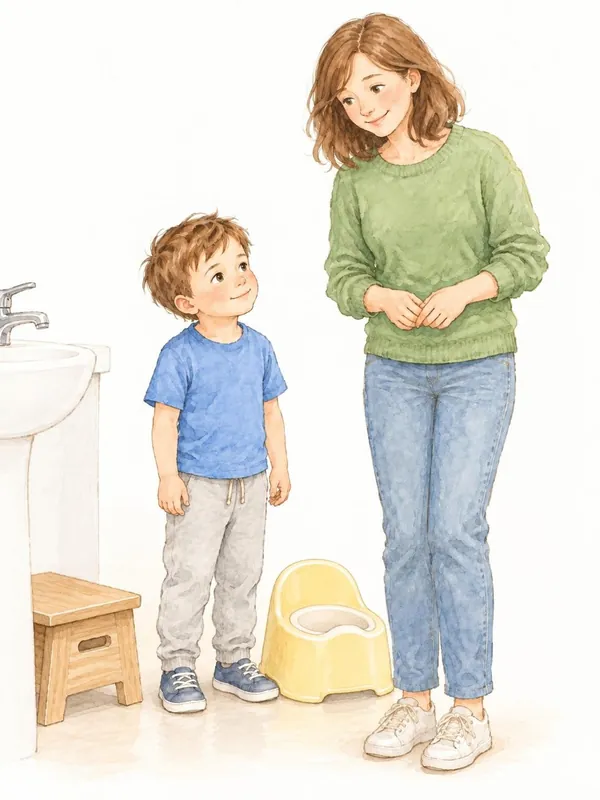
  5. Eli stands beside a yellow potty chair, fully dressed, while his mom stands close by.
    Page 4

    I pull down my pants and sit on the potty. I wait while Mom stays close. I can take my time.

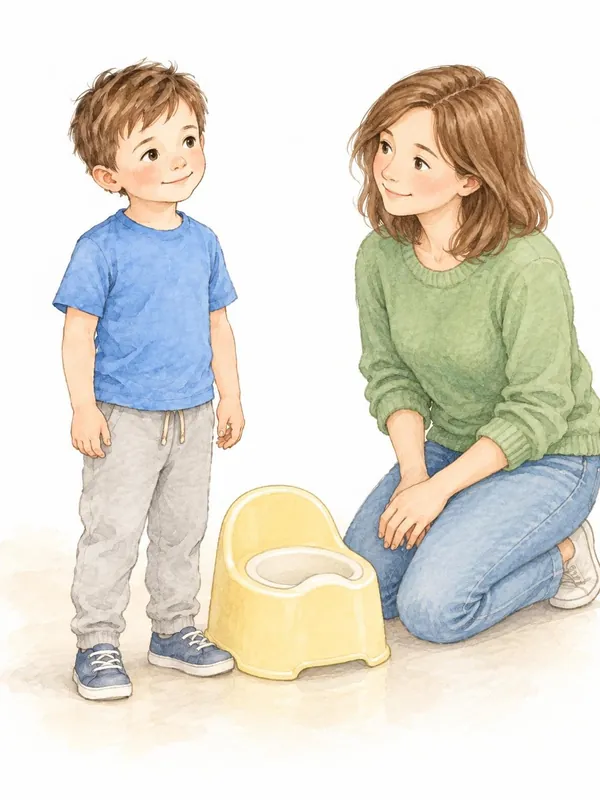
  6. Eli stands beside a yellow potty chair while his mom kneels next to him.
    Page 5

    My pee goes in the potty. My poop can go there too. Mom stays close while I use the potty.

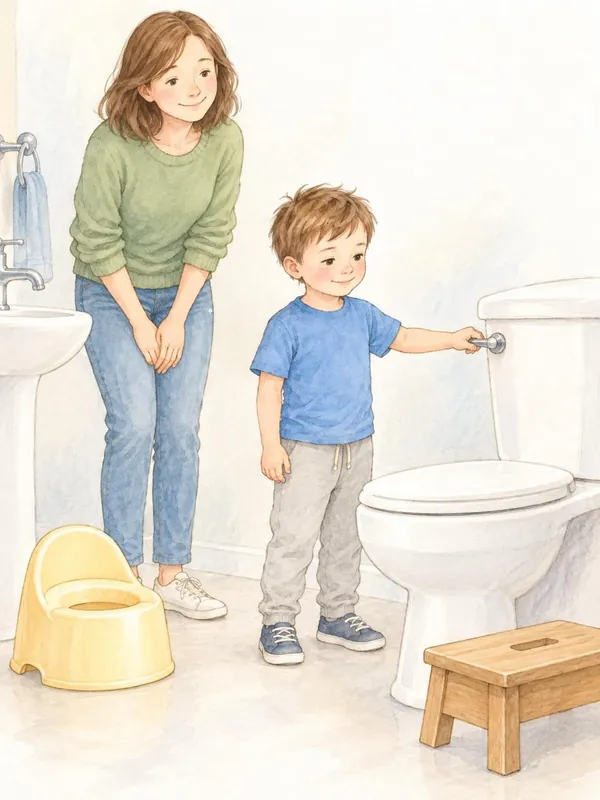
  7. Eli presses the toilet handle while his mom watches.
    Page 6

    Mom empties the potty into the toilet. I wipe, then pull up my pants. I press the handle, and the toilet flushes.

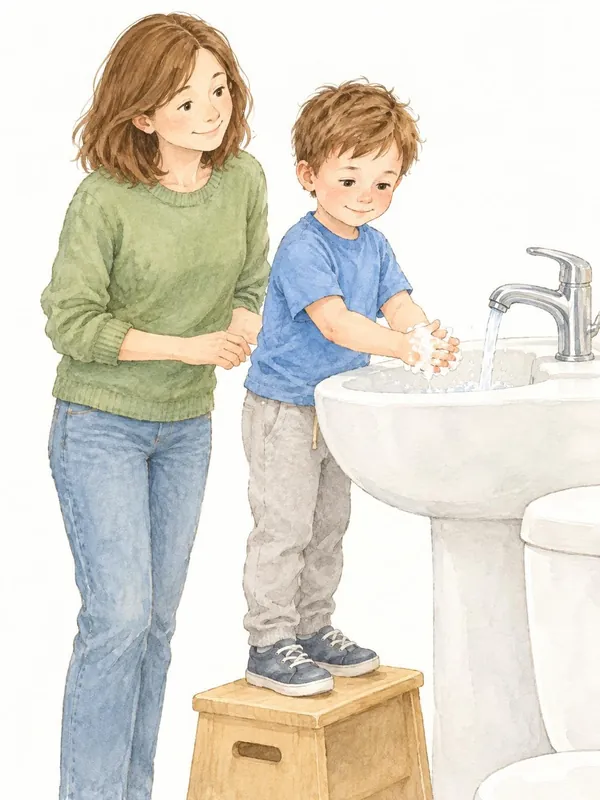
  8. Eli washes his hands at the sink on a step stool while his mom stands beside him.
    Page 7

    I wash my hands with soap and water. I rub them together, then rinse them. Mom stays beside me.

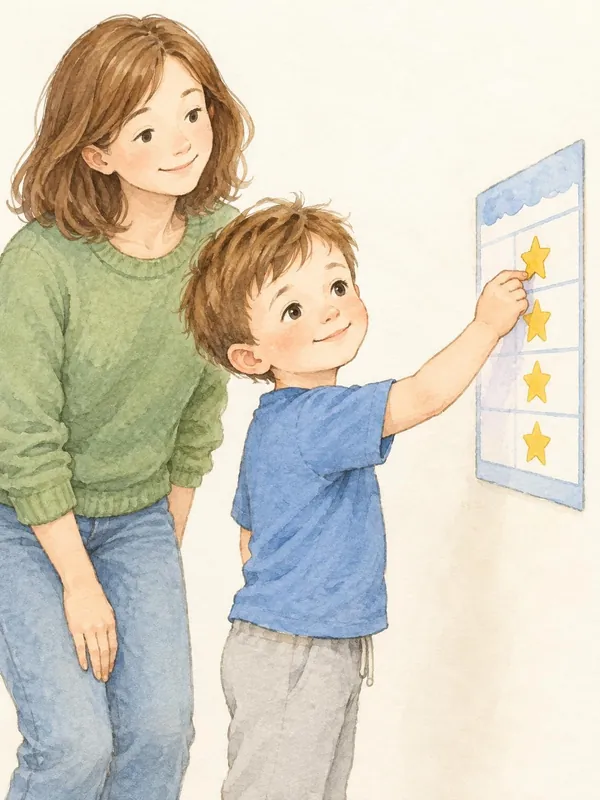
  9. Eli puts a star sticker on his chart while his mom watches.
    Page 8

    I put a star sticker on my chart. I look at it and smile. I feel proud.

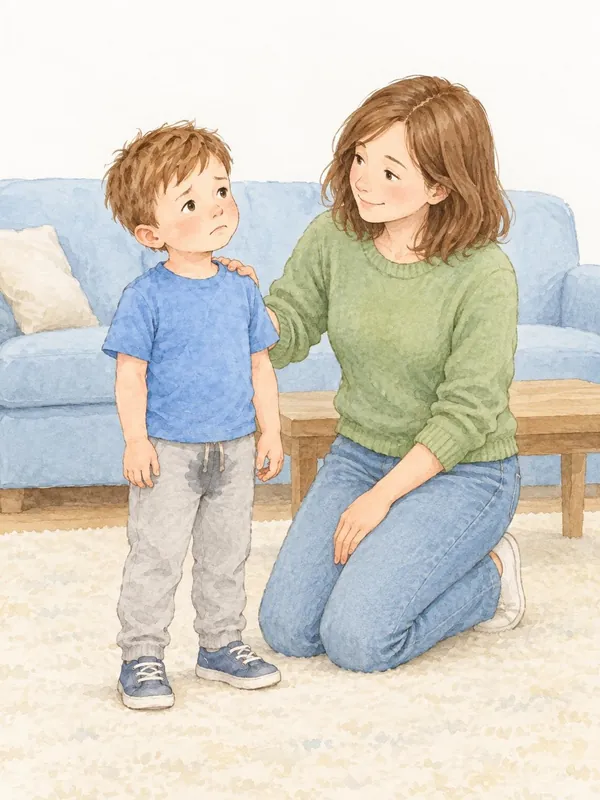
  10. Eli looks up at his mom after an accident, and she puts a hand on his shoulder.
    Page 9

    Another time, I have an accident. I look at Mom. “It’s okay,” she says gently. Mom stays close, and I know I can try again next time.

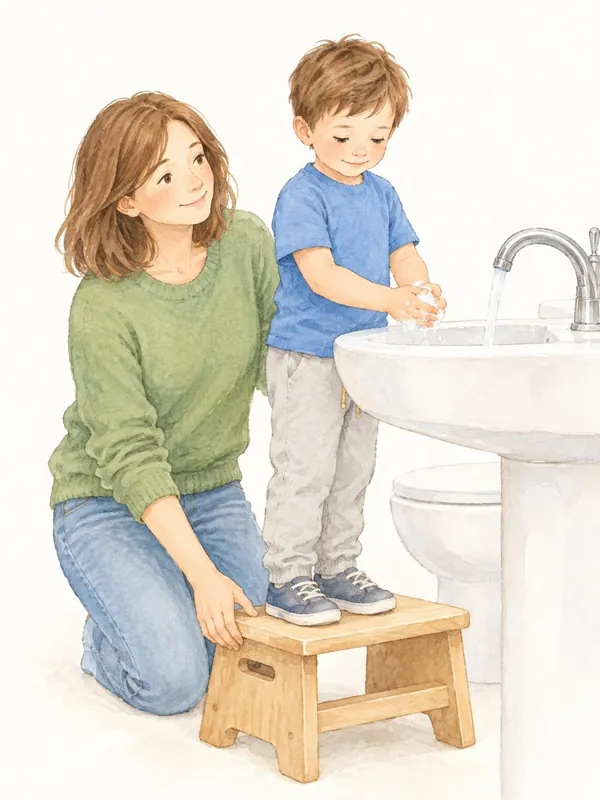
  11. Eli washes his hands on a step stool while his mom helps hold it steady.
    Page 10

    Mom helps me clean up. Then I wash my hands with soap and water. Mom steadies the stool as I rub and rinse. I can try again next time.

Make my child’s story

Make this story starring your child. The idea is filled in for you.

What a good potty training story includes

  1. Noticing the feeling. “My body tells me when I need to go.”
  2. Telling someone. “I tell my mom.”
  3. The steps in order. Walk, sit and wait, wipe, flush, wash hands.
  4. Something to feel proud of. A sticker, a high five, a happy dance.
  5. Accidents. “Sometimes I have an accident. That is okay.” This is the page that matters most on a hard day.
  6. Real, plain words like pee and poop.

Keep the pictures on the routine: the bathroom door, the sink, the sticker chart. A potty story doesn’t need to show a child undressed.

Making the routine easier

  • Pick one seat and one spot. A potty chair, or a toilet seat with a step stool, always in the same place.
  • Try at regular times: after waking, after meals, before leaving the house.
  • Let them help. Picking the sticker, choosing underwear, pressing the flush.
  • Praise the trying, not just the success. “You told me! That was a great idea.”
  • Keep accidents low-key. Help them change, say one calm sentence, move on.
  • Keep the story in the bathroom and read it before potty times.

If going hurts, your child is holding in poop, or training has become a battle, talk with your pediatrician. If your child suddenly can’t pee, get medical care right away.

Common questions

When should I start potty training?

There is no single right age. Many children show signs between about 2 and 4: staying dry longer, noticing they’re wet, hiding to go, or wanting to copy you. Ask your pediatrician if you aren’t sure.

What if my child has accidents?

Accidents are part of learning. Stay calm, say something short like “That’s okay. We try again,” help them change, and move on. Scolding tends to slow things down.

My child is scared of the toilet. What helps?

Let them choose between a small potty chair and a toilet seat with a step stool, and let them flush when they’re ready; the noise can feel big. If the fear or refusal lasts, or going hurts, talk with your pediatrician.

Should a potty story use real words for pee and poop?

Yes. Short, real words your child already uses make the story easier to follow.

Can I print this story?

Yes. Use the Print this story button above the sample. It prints the cover and each page with its picture, one page per sheet.

Make this story starring your child

Add your child’s photo or describe them, and StorySafari writes this social story with them as the one who tells a grown-up, uses the potty and washes their hands. The idea is filled in for you; change any detail to match your routine. Preview the story and cover free.

Make my child’s story